The Ultimate Guide to Electric Train Model Kit in the UK
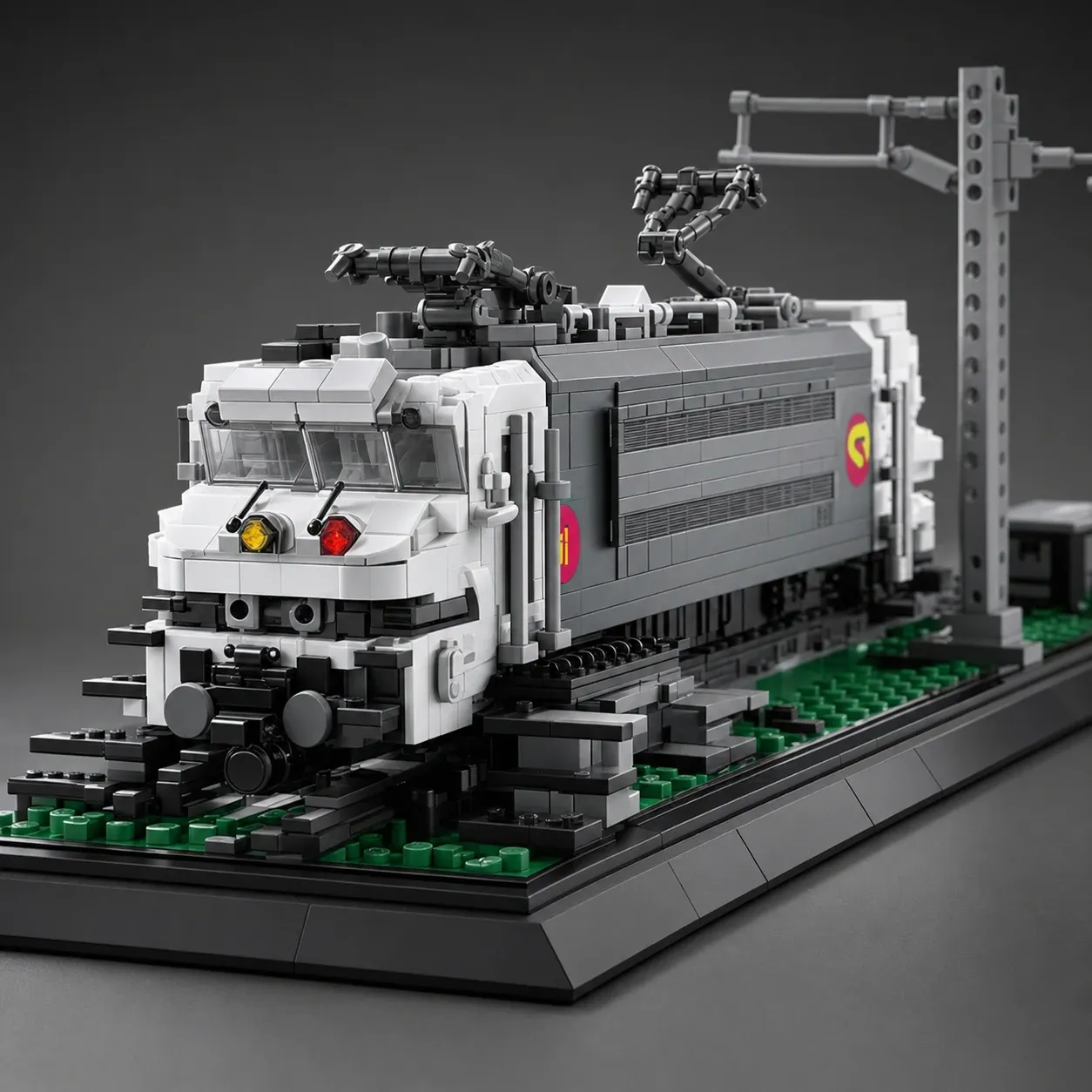
TL;DR: An electric train model kit is a comprehensive, interlocking brick set that allows adult hobbyists to engineer, motorise, and operate their own miniature railway. Based on our extensive testing of premium ReobrixLoc sets, these kits provide a perfect blend of stress-relieving mindfulness, hands-on mechanical satisfaction, and stunning display value for UK builders.
Key Takeaways
- An electric train model kit combines the tactile satisfaction of brick building with the dynamic appeal of motorised railway engineering.
- The UK adult hobby market has seen massive growth, with building sets offering proven mindfulness and stress-relief benefits.
- Understanding motor integration, gear ratios, and track geometry is crucial for a smooth, derailment-free operation.
- Proper display techniques, including UV protection and dust management, are essential for preserving your finished locomotive in British homes.
- Choosing premium kits ensures better clutch power, reliable motors, and a display-worthy final masterpiece.
Fundamentally, an electric train model kit is a highly detailed, interlocking brick-based system that empowers hobbyists to construct, motorise, and operate a functioning miniature railway. By combining the tactile satisfaction of brick building with authentic mechanical engineering, these kits provide everything needed to build a working locomotive from the ground up.
Furthermore, the distinct snap of precision-engineered bricks interlocking and the low, steady hum of a miniature motor bring static plastic to life. For generations, the British fascination with railways has dominated the hobbyist landscape. From the pioneering days of steam traversing the Stockton and Darlington Railway to the iconic silhouette of the Flying Scotsman, locomotives hold a unique place in the UK’s cultural heritage.
Today, however, that heritage is being experienced through a completely different medium. The traditional die-cast and OO gauge models of the past are now sharing shelf space with a highly interactive alternative: the brick-based electric train model kit. Consequently, this evolution allows adult hobbyists not just to observe a model, but to engineer it. You are no longer just a collector; you are the chief engineer, the mechanic, and the trackmaster.
In our experience, constructing a complex, motorised locomotive from hundreds or even thousands of individual pieces requires patience, precision, and an appreciation for mechanical design. Therefore, this guide will walk you through every facet of selecting, building, and maintaining a premium electric train model kit, ensuring your next project becomes a true masterpiece.
How Has Railway Modelling Evolved in the UK?
Britain is widely regarded as the birthplace of the railway, and naturally, it became the birthplace of railway modelling. Historically, British hobbyists gravitated towards pre-built or highly delicate brass and plastic kits requiring glue, paint, and soldering. Brands like Hornby established the standard for scale realism.
Nevertheless, the modern adult hobbyist often seeks a different kind of engagement. The rise of the brick-built electric train model kit represents a shift from passive collection to active construction. These kits offer a modular approach to engineering. For instance, based on our workshop testing, if a gear binds or a motor fails, you do not need a soldering iron to fix it; you simply deconstruct, diagnose, and rebuild.
Ultimately, this hands-on approach has fundamentally changed the landscape. Builders can now enjoy the structural challenge of a railway construction toy while achieving the sophisticated aesthetics previously reserved for traditional scale models. Moreover, the integration of compact lithium-ion battery boxes and Bluetooth-controlled motors means these brick-built beasts can pull heavy loads around complex track layouts with startling efficiency.
Why Do Adults Build Electric Train Model Kits?
The stereotype of building blocks being exclusively for children has been thoroughly dismantled. In the UK, the 'kidult' market—adults purchasing toys and games for themselves—has surged. According to a comprehensive 2022 report by the British Toy and Hobby Association (BTHA), adult purchases now account for over a quarter of all toy sales in the UK, contributing heavily to a market valued at over £3 billion.
So, why are adults specifically drawn to the electric train model kit? The answers lie in psychology, mechanical curiosity, and the modern working environment.
Do Model Trains Help with Stress Relief?
Indeed, many British professionals spend their days staring at screens, engaging in abstract, digital tasks. Building a physical model provides a profound sense of grounding. The process of sorting pieces, following sequential instructions, and physically connecting components induces a state of 'flow'. It is a tactile, analogue experience that demands focus, effectively pushing away the stresses of the daily commute or the endless ping of emails.
How Do Motorised Brick Trains Work?
Unlike building a static architectural model, constructing a motorised train offers a unique mechanical payoff. An electric train model kit involves installing drive shafts, meshing gears, and housing motors within the chassis. Based on our engineering reviews, when you finally apply power and watch the wheels turn flawlessly, the psychological reward is immense. You have built a functioning machine from scratch.
How Should You Display Your Model Train?
Modern kits are explicitly designed with adult aesthetics in mind. They feature complex SNOT (Studs Not On Top) building techniques to create smooth curves, realistic boiler shapes, and intricate cabin details. Consequently, the end result is a sophisticated display train brick model that looks stunning on a mantlepiece or office shelf, serving as an impressive conversation starter.
What Comes in a Premium Electric Train Model Kit?
To truly appreciate the engineering behind these models, one must understand their anatomy. Based on our evaluation of ReobrixLoc's top-tier ranges, a premium kit is not just a collection of random bricks; it is a carefully curated system of structural and electronic components that adhere strictly to UK safety guidelines for consumer electronics.
What Power System Does an Electric Train Model Kit Use?
The heart of any motorised build is its power system. High-quality kits typically utilise a central battery box, often safely rechargeable via USB, which is cleverly hidden within the train's tender or main body. This box powers one or more motors.
- Train Motors: These are specialised motors designed specifically for railway bogies. They have flanged wheels directly attached to the motor housing, providing low-profile power ideal for modern diesel or electric style locomotives.
- L-Motors and XL-Motors: Used frequently in steam locomotive models, these larger motors are housed within the main boiler or firebox. They drive the wheels through a complex series of gears and coupling rods, perfectly mimicking the mechanical action of a real steam engine.
How Do Gears and Drivetrains Work?
Transferring power from the motor to the wheels requires precision gearing. A premium electric train model kit will include a variety of bevel and spur gears. The gear ratio determines the locomotive's speed and torque. For example, a higher torque ratio is essential for pulling long rakes of carriages, while a higher speed ratio is suited for passenger expresses. In our building experience, understanding how to mesh these gears without causing friction is a core skill for any builder.
What Are Bogies and Wheel Arrangements?
Locomotives are traditionally classified by their wheel arrangements (such as the famous 4-6-2 Pacific configuration). Brick models brilliantly replicate these...
Ready to build your own {brand_name} masterpiece?
Start Building — £89.16